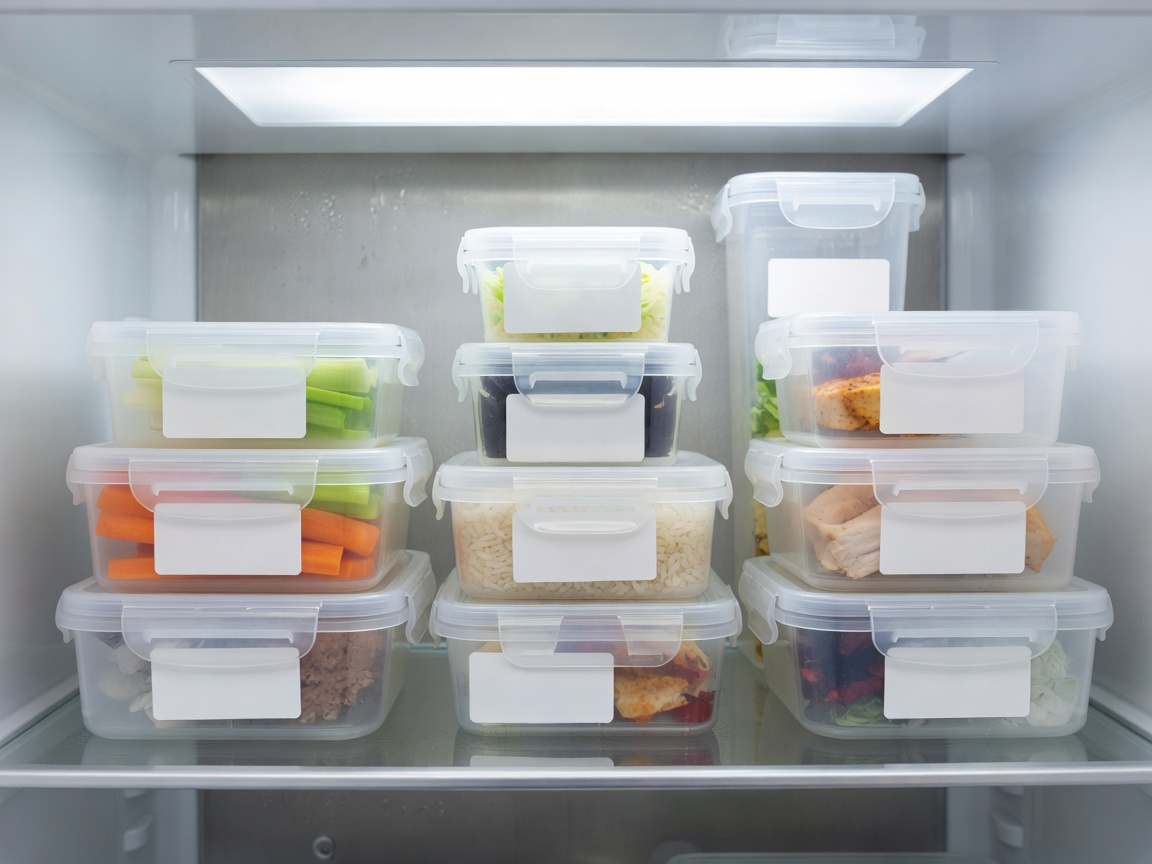
Take an inventory small enough to repeat
Choose one shelf or food area rather than emptying the whole kitchen. Look for open packets, items approaching a relevant date and ingredients that could anchor a meal. Note rough usable quantities. “Enough lentils for soup” is often more actionable than a detailed count that is never updated. Move through the fridge and freezer in the same practical way.
Separate what is suitable to use from what needs a safety decision. An inventory is not permission to eat food because it was expensive or has been there a long time. Check the packaging, storage history and official advice. If an item cannot be identified or you do not know whether it has been handled safely, do not solve the uncertainty with a taste test.
| Food | What to note | Useful next step |
|---|---|---|
| Open lentils | Quantity, condition, package details | Assign to a planned soup |
| Fresh vegetables | Condition and suitable storage | Choose the next meal |
| Frozen portion | Contents, date, handling history | Plan safe thawing if appropriate |
| Unopened staple | Quantity and relevant date | Avoid buying a duplicate |
Create a use-first space without mixing safety zones
A small visible area for food that should be considered next can reduce forgetting. In a cupboard, that might mean open packets at the front. In a fridge, it could be a clearly marked container of suitable ready-to-eat items. Keep raw foods safely contained and separate; convenience must not override preventing cross-contamination.
Rotate suitable older items forward when putting shopping away. This is a reminder, not a universal rule that age determines safety. Follow use-by instructions and any directions that apply after opening. A newer item with a shorter relevant date may need attention before an older shelf-stable product. The label and storage conditions matter more than a tidy visual pattern.
Keep the information when changing containers
Decanting can help with access or pest protection, but it can also remove important details. Retain the product identity, ingredients, allergen information, dates and preparation directions. Keeping the original label or a clear record is especially important in a shared household. Do not assume that everyone can identify an ingredient by appearance.
Use clean, food-suitable containers that close properly. Avoid topping up an old batch indefinitely with new food: empty and clean the container as appropriate so batches and dates do not become confused. You do not need to buy an entire storage system. Reusing a suitable container can be practical, provided it is appropriate for the food and intended storage conditions.
The most useful label is the one that helps the next person make a safe, clear decision.
Give chilled and frozen food priority
Put temperature-sensitive shopping away promptly. Follow the food's instructions and your appliance guidance, and use an appropriate thermometer rather than guessing from how cold a shelf feels. Avoid packing a fridge so tightly that air cannot circulate. Keep raw meat, poultry and seafood contained so their juices cannot reach ready-to-eat food.
Freezing is a planning tool, not a way to reverse unsafe handling. Freeze suitable food while it is still safe, label it clearly and choose portions that fit likely meals. Plan thawing using reliable food-specific guidance. Do not assume a frozen item is ready to eat without cooking; the packaging may require a particular preparation method.
Distinguish dates from a general freshness check
Date-label meanings vary by country and product. In the United Kingdom, the Food Standards Agency distinguishes use-by dates, which relate to safety, from best-before dates, which generally relate to quality. Do not apply that distinction mechanically to every label worldwide. Follow your local authority and the instructions on the product you actually have.
Appearance or smell alone cannot reliably establish that a food is safe. Be particularly careful with foods that require temperature control and with meals for people at higher risk of foodborne illness. This guide deliberately does not assign one storage life to every leftover. The ingredient, preparation, cooling process and storage conditions all affect the advice you need.
Buy for the storage you really have
Before choosing a large pack, picture where it will go and how it will be used. Small freezers, shared shelves and limited cupboard space make large quantities harder to manage. Leaving a little accessible space may be more useful than filling every corner. Bulk buying only helps when the food, money and storage fit together.
Finish each inventory with one cooking decision and one shopping decision. Choose something suitable to use next, then remove an unnecessary duplicate from the list. This links organization to an actual meal rather than turning the pantry into a display project. Repeat the small check before your next shop and let the system stay simple.
Next: give the food a meal destination