Read the week before choosing the food
Start with the evenings when time, energy or equipment will be limited. A late shift, a shared kitchen or an appointment may matter more than which recipe looks appealing. Mark those days for an easy meal or a safely stored portion you have deliberately set aside. Put more involved cooking where it genuinely fits, rather than hoping that a busy evening will somehow become quiet.
Next, check who will be eating. Account for different appetites, lunches taken out of the house and meals already arranged elsewhere. This is not about measuring everyone perfectly. It is about avoiding an automatic full-house dinner when only one person will be home, or forgetting that tomorrow's lunch needs food too.
Choose anchor meals from the cupboard
Look for an ingredient that needs using and one that can make a meal substantial. Lentils and carrots might suggest soup; rice and frozen vegetables might suggest a simple bowl. Add a protein source or other components that suit your household. Dietary needs, allergies and access to suitable foods take priority over any example plan.
Choose a few anchors rather than a different recipe for every day. A household that enjoys repetition may be happy eating the same breakfast or lunch several times. Another household may prefer using the same ingredients in different forms. Either approach is valid when the food gets eaten and the preparation fits your life.
| Ingredient | First use | Second use | Check before buying |
|---|---|---|---|
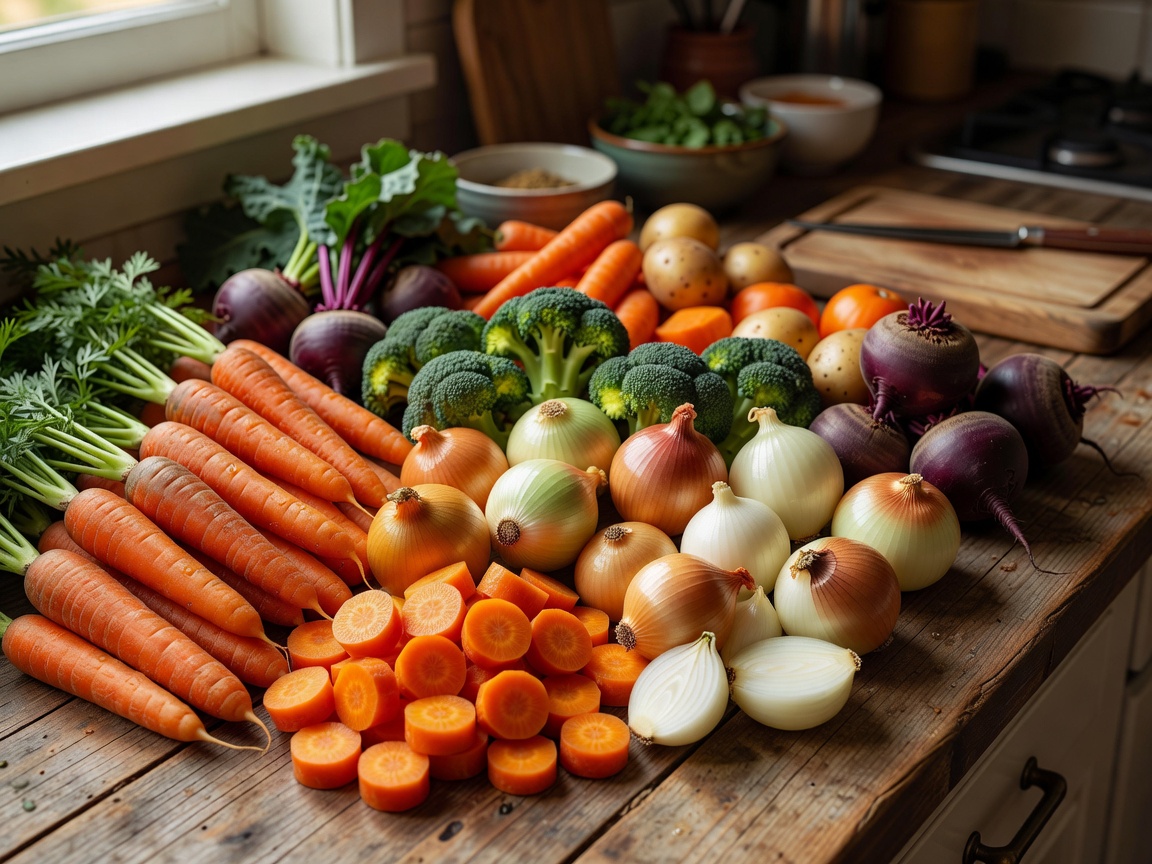
| Carrots | Lentil soup | Roasted side dish | Usable quantity at home |
| Onions | Soup base | Bean sauce | Condition and storage space |
| Plain yogurt | Breakfast | Simple meal topping | Dietary suitability and date |
| Frozen vegetables | Rice bowl | Easy fallback meal | Freezer space and pack instructions |
Give leftovers a destination
“We will eat the leftovers” is less useful than “this portion is for tomorrow's lunch.” Decide whether an extra portion is wanted before making it. Check that it can be cooled, stored and reheated safely, and label it so another household member knows what it is for. Avoid repeatedly moving a leftover meal to the following day without checking its storage history.
If leftovers are unpopular, prepare flexible components instead of complete extra dinners. A plain ingredient may work in more than one meal, provided you follow appropriate handling instructions. Do not assume every cooked food has the same storage life. For specific safety questions, use official guidance for that food and the instructions on its packaging.
Plan enough to make the next meal easier. You do not have to plan every mouthful.
Use a prep timeline with a stopping point
Preparation is worthwhile when it removes a real obstacle. Chopping vegetables for a meal you will make is useful; chopping everything just because it is there may reduce quality or create more storage work. Consider whether washing, cutting or cooking ahead is appropriate for the ingredient. Keep raw meat and ready-to-eat food separate throughout preparation.
Put food away first
Deal with chilled and frozen items promptly. Check packaging, place raw foods safely and move older suitable items into view.
Choose one helpful task
Measure dry ingredients, prepare a suitable vegetable or make a component according to safe storage guidance. Stop when the next meal is easier.
Decide what happens to extra food
Serve, store or freeze suitable portions safely. Label the contents and date rather than leaving the decision until later.
Keep a fallback that belongs to your household
A fallback is a meal you can make when the original plan no longer works. It might use shelf-stable beans, eggs, frozen food or another familiar combination. It should fit your equipment, dietary needs and appetite. Buying ingredients for an unfamiliar emergency recipe often produces a cupboard full of items that still feel difficult to use.
Leave a flexible space in the week for changing plans, unexpected portions or food that needs using sooner than expected. If you shop more often because storage is limited, work with a shorter meal cycle. A three-day plan that gets used is more helpful than a seven-day chart that creates pressure.
Make the next plan from what happened
At the end of the cycle, keep the meals that worked. Notice which ingredients were easy to share and which remained untouched. Write one short improvement for next time: buy less of a particular vegetable, choose a smaller yogurt tub or keep a simpler lunch option available. Reusing a successful plan is sensible household management, not a lack of imagination.
Next: turn the meals into one list